Recent News
Read the latest news and stories.

EXPO La Chapelle DE L’HOTEL-DIEU A LYON 2022


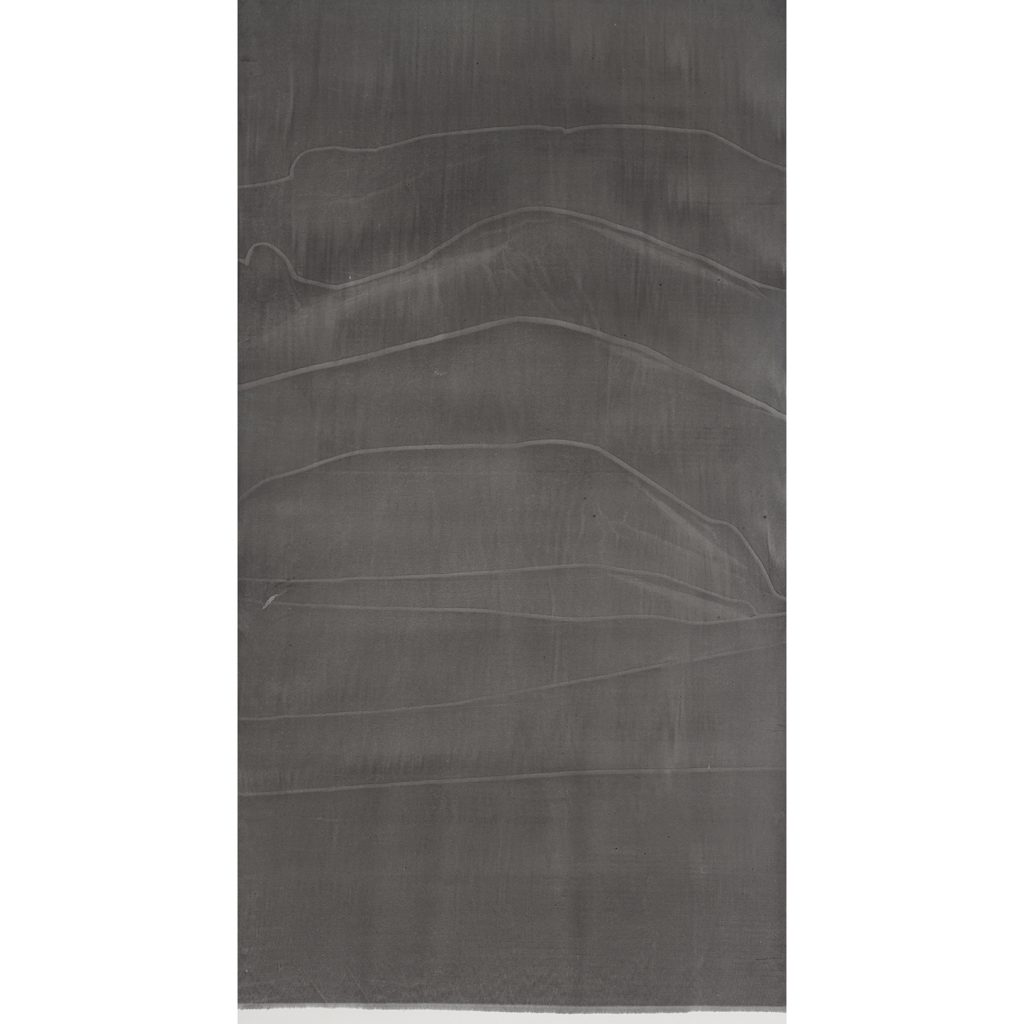

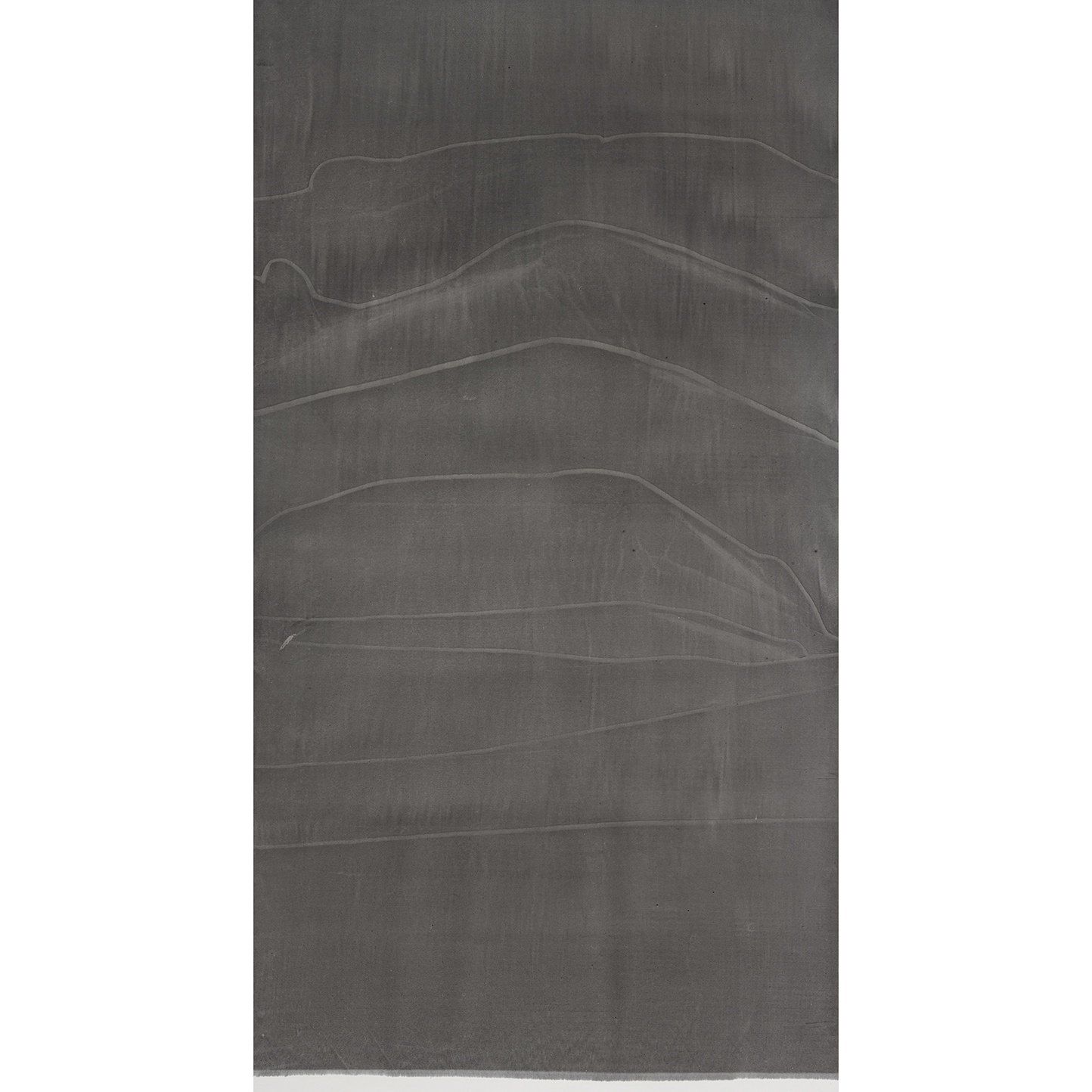
In an age of pandemic, defined by isolation and unspoken words, our yearning to speak to the divine has never felt more urgent.
As wars rage, conflicts persist, and information explodes, division has become the norm and silence a luxury. Does the resonance of human connections seem to be a distant dream?
Standing as a pinnacle of Lyon’s architectural history, the Chapel of the Hôtel-Dieu distinguishes itself with its Baroque adornment. For centuries, it has nurtured countless bodies and souls.
Li Xin’s work, employing ink and Xuan paper, is concise and ethereal. It carries both the elusive poeticism of Zhuangzi’s butterfly from traditional Chinese painting, and a deeply moving attention to this very moment in time and space.
His project unfolds within the chapel’s interior: three monumental ink paintings, each nearly four meters tall, hang in the middle of the chapel. Devoid of concrete imagery, they are permeated with gray ink. As the ink settles, droplet by droplet, it flows like rivers into the sea; its shades, deep and light, rise like curling wisps of smoke. Ink, originally made from pine soot, becomes smoke again within the painting. Everything begins in nature and, in the end, returns to it.
Li Xin does not overly refine the details of the paintings. Instead, he emphasizes the resonance between the work and the space. On the one hand, their monumental scale feels majestic and vast, evoking a profound sense of human insignificance when viewed from below. On the other, the Xuan paper—thin as a cicada’s wing—hangs suspended, trembling almost imperceptibly with each passing visitor, each note of choir song and each murmur of Mass. Through this, the viewer resonates with the work in shared frequency. Perhaps the subtlety reveals itself in the space between breaths, in the interval between arrival and departure—this is where silence resides, where time finds its meaning.
The choice of Xuan paper is no accident. This seemingly soft and delicate material contains an intensely raw and organic world within. Its entire production involves over a hundred distinct steps: using the bark of blue sandalwood trees and Shatian straw as raw materials, processed separately into pulp, blended in varying proportions, then mixed with a paper sizing substance made from kiwi vine juice before being formed into various kinds of Xuan paper. This “brutalism” within the paper stands in sharp contrast to the chapel’s Baroque ornamentation—a resilient power residing in simplicity.
In these exceptional times, individuals, nations and the planet itself are undergoing convulsions and torment. We seek solace in art, in prayer, in love, yet still cannot escape the turmoil within.
Yet, Li Xin’s work focuses precisely on resonance, silence, intuition and inwardness. This vision forms not only a symphony with the chapel’s spirit and architecture, but also extends into care and healing of the human—an acceptance and consolation of reality as it is.
If the particularity of the Chapel of the Hôtel-Dieu lies not only in its grand external form but also in everything finely wrought within—trompe-l’oeil, reliefs, or the shimmering gold—then Li Xin undoubtedly echoes it across time. With works of utmost simplicity, he invites each of us for an internal journey.