Recent News
Read the latest news and stories.
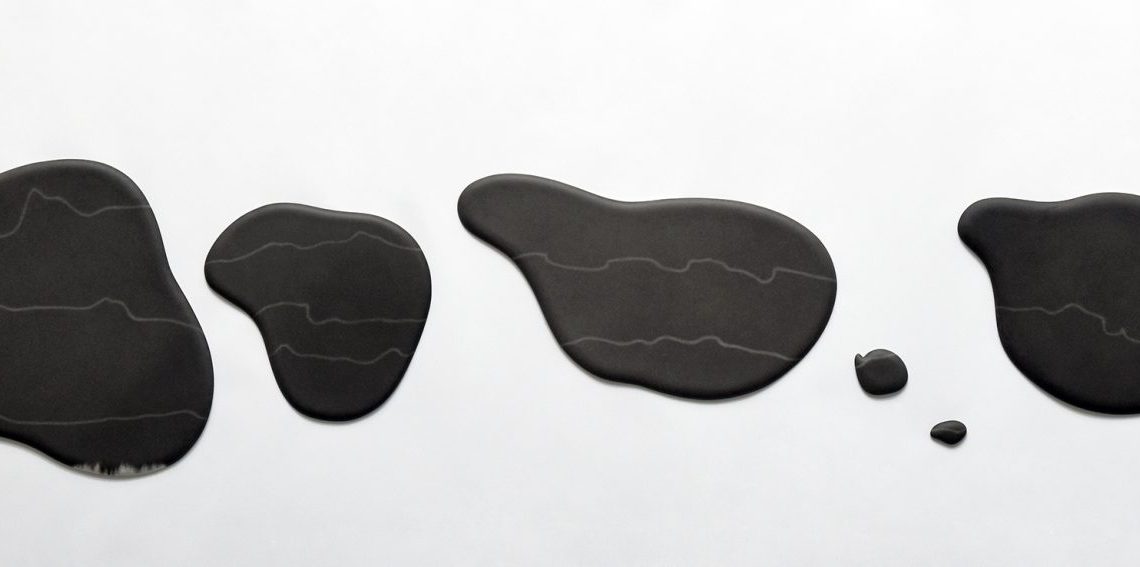
Li Xin in Sèvres
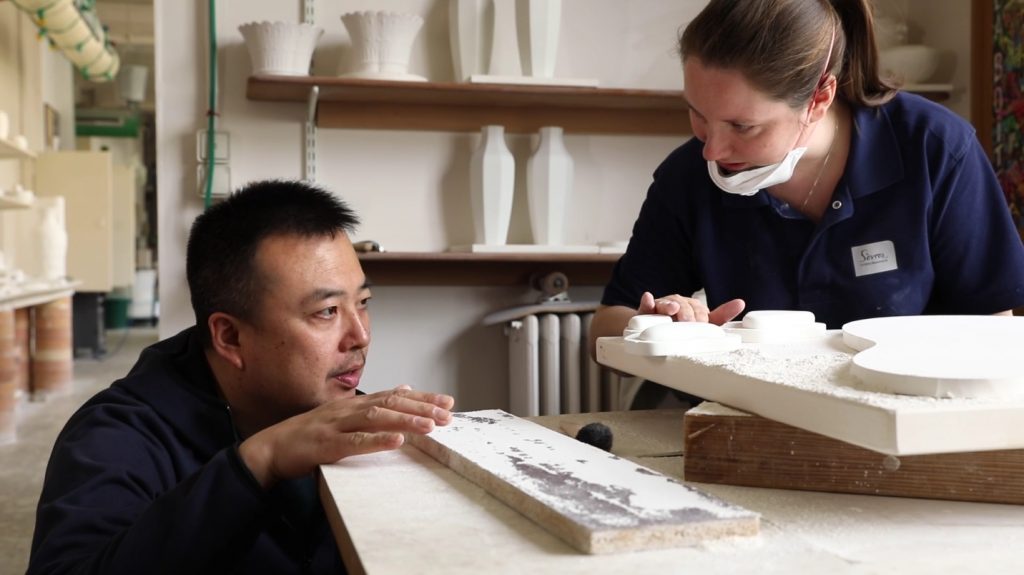
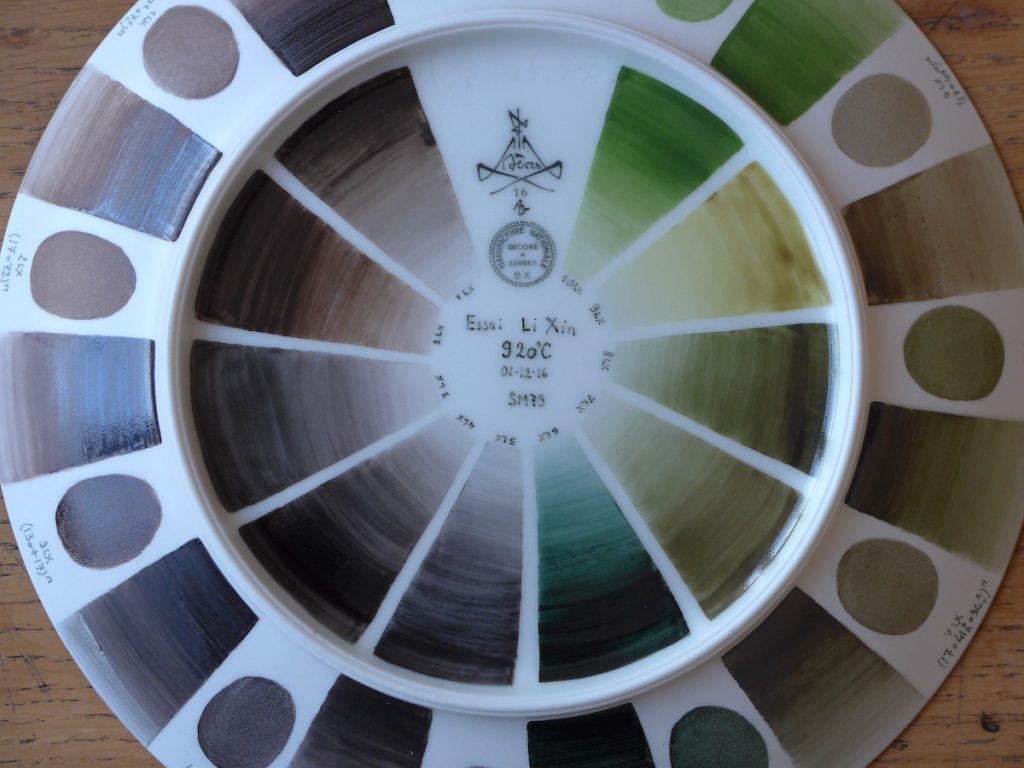
This is my first contact with ceramics. When I stand before a white porcelain slab, I find it already perfect in its purity. Within that blank slate lies immense imagination and energy. How to apply solely a few grams of pigment to convey the closest feeling to this very moment?
In the first place, I hope my creation will not be clever, not technique-driven, nor overly conceptual. By stripping these away, perhaps we can perceive more.
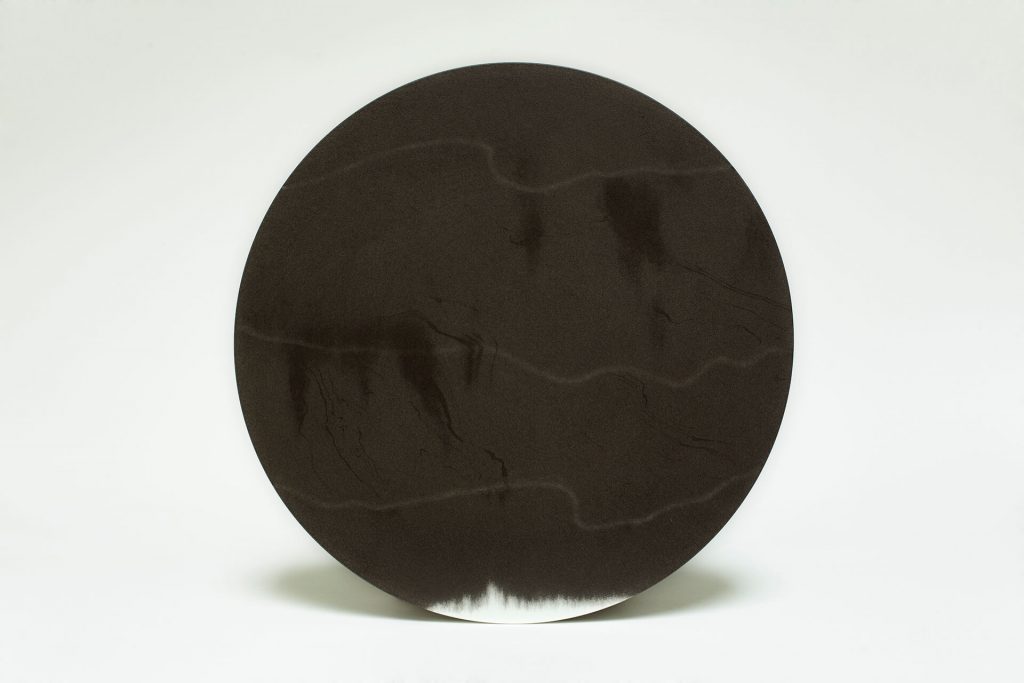
I come from a land of ceramics, with thousands of years of history and countless exquisite pieces, but there were no ceramics in gray. Color often belongs to the aesthetics of royalty or artisans, while gray appears more within the literati’s taste. Gray often emerges in classical landscape paintings and in the “flying white” of calligraphy. It allows boundless imagination of all colors, or brings instant tranquility and the ending of thoughts. Gray always resides on the boundary between color and colorlessness, the result of the interplay between yin and yang.
The ink within gray originates from soot. It is about returning the ash to the landscape and nature, presenting traces of combustion on the ceramic plate, thus returning to and revealing nature itself.